



Three Design Challenges, One Living Lab: Students Take on Real Business Questions at WeidumerHout
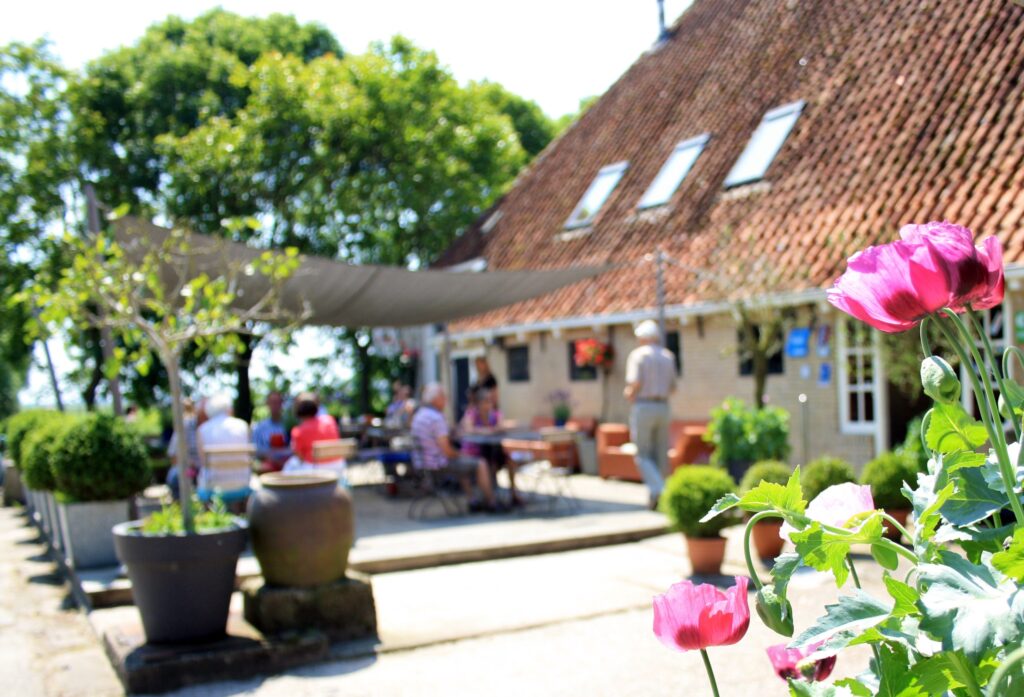
What happens when you hand hospitality students a real business, a real landscape and a real deadline? At WeidumerHout, a family run hotel and restaurant on the edge of the Frisian village of Weidum, students from Hotel Management School Leeuwarden found out. As part of the Food Eco-Culture Edu project, the venue opened its doors as a Living Lab, a working business where students learn by solving genuine challenges rather than classroom case studies.
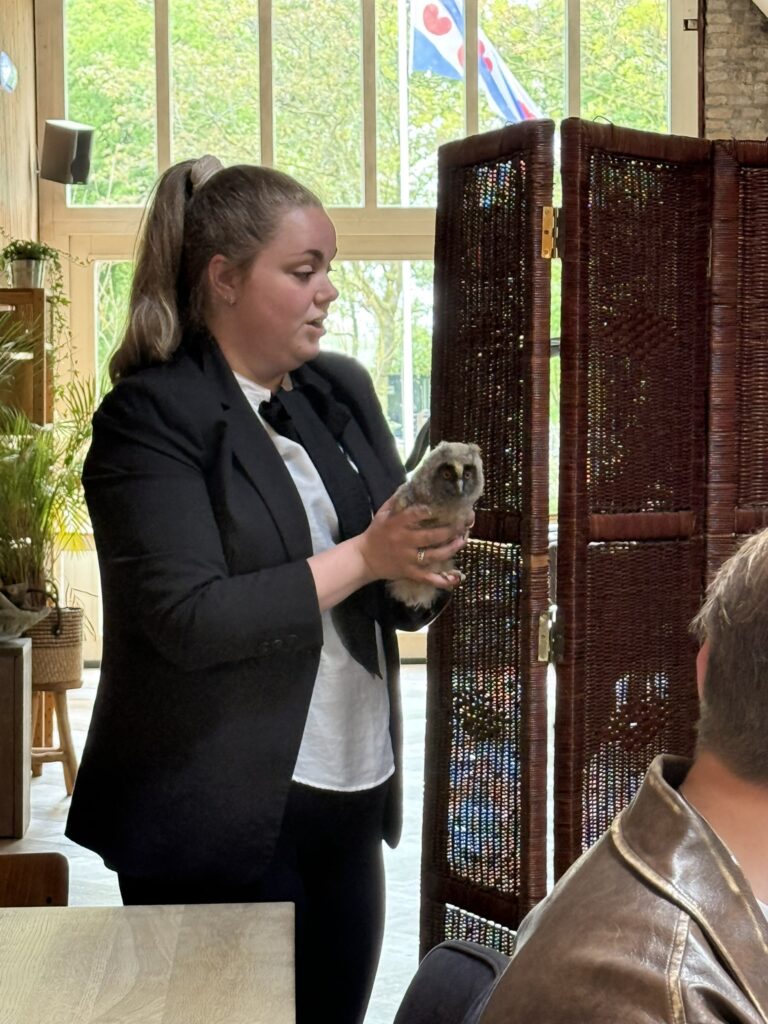
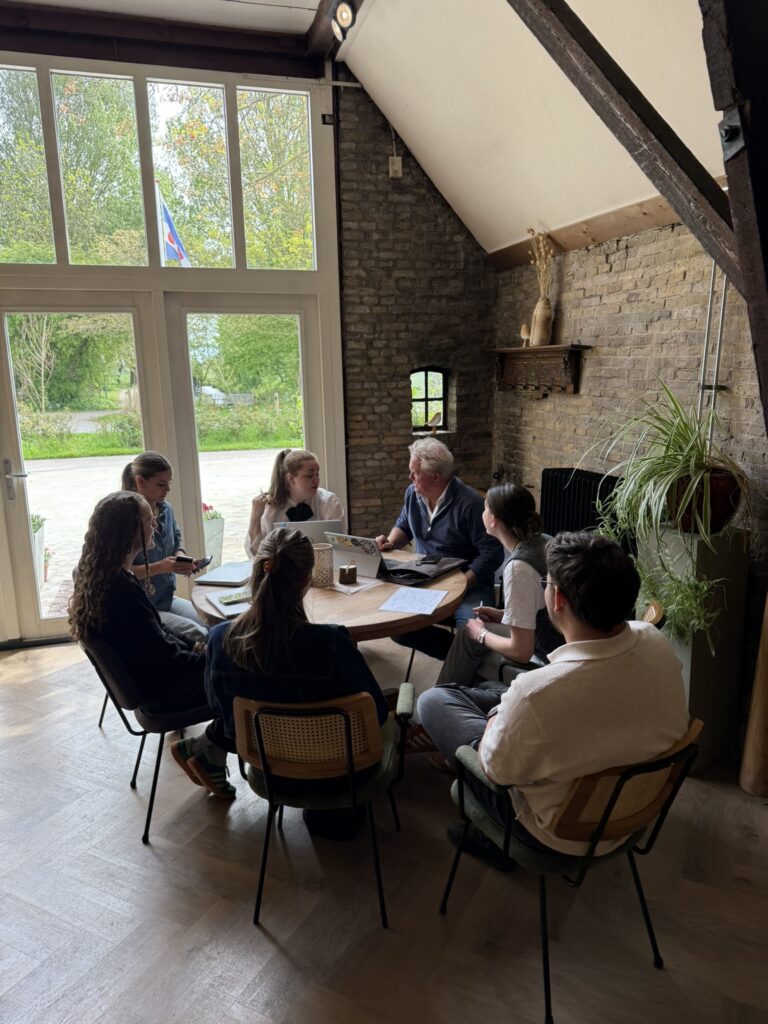
The owners set three design challenges, each rooted in a question the business is genuinely wrestling with. The students worked on site, presented their concepts back to the owners and received feedback in the very rooms and gardens their ideas were designed for. Here is what they came up with.
Challenge 1: A culinary destination concept
The brief: design a food tourism concept that draws visitors from outside Friesland, whether from the Randstad or across the border in Germany, to WeidumerHout for a culinary experience they cannot get anywhere else.
The students proposed a weekend cooking class built around the region itself. Guests join excursions to typical Frisian food places, gather local products along the way and then cook their own meal with what the region has given them. The concept turns a stay at WeidumerHout into a story guests take part in, not just a menu they order from.
Challenge 2: A brand story and identity
The brief: develop a compelling brand story and three concrete online expressions that make WeidumerHout's Frisian, local and nature oriented identity visible and tangible to guests.
The students' answer was to give the brand a face, a recognisable character who becomes the voice of WeidumerHout across its communications. Alongside this they proposed a magazine full of local facts and stories to be placed in the cottages, and a flyer guests can take home to share the WeidumerHout experience with friends and family. Together the three expressions carry the identity of the place from the first online impression through the stay and beyond it.
Challenge 3: A landscape to table event
The brief: design a small scale event for up to 50 guests in which the landscape of WeidumerHout becomes an active and meaningful part of the dining experience itself.
The students designed a midsummer barbecue where the surroundings do half the work. Guests pick fruit in the venue's own garden before the meal, eat together in the open air and end the evening with a film night on a big screen under the summer sky. The landscape is not a backdrop to the event, it is the ingredient list, the dining room and the entertainment in one.
Why Living Labs matter
A Living Lab flips the usual direction of learning. Instead of bringing simplified versions of the industry into the classroom, it brings students into the full complexity of a real business, with its history, its regular guests, its landscape and its limits. The students at WeidumerHout did not just practise concept development, they experienced what it means to design for a place, present to the people who run it and defend their choices in conversation with them.
For the business, the exchange works both ways. Fresh eyes and structured creativity produce concepts the owners can genuinely build on, from a weekend cooking programme to a midsummer event already suited to the garden outside the door.
This is exactly the kind of real world, interdisciplinary learning that Food Eco-Culture Edu exists to make possible. The project connects food, hospitality and education across European higher academia, and the Living Lab at WeidumerHout shows what that looks like in practice: students, educators and a working business learning from each other on the same farmyard.
The Living Lab at WeidumerHout was organised with Hotel Management School Leeuwarden (NHL Stenden) as part of the Food Eco-Culture Edu project, co-funded by the European Union.